Best Pleasanton top rated General Contractor Today
Creating Success: The Way General Contractors Make Your Projects Come Alive
General contractors serve a crucial function in converting construction projects into reality. They connect the dots between clients and skilled trades, managing multiple aspects from planning to compliance. Their expertise shapes project outcomes significantly. Understanding their duties and skills can influence the success of any construction project. However, many may overlook the complexities involved in selecting the right contractor and navigating the construction landscape. What factors should one consider to guarantee a successful partnership?
Understanding the Function of General Contractors
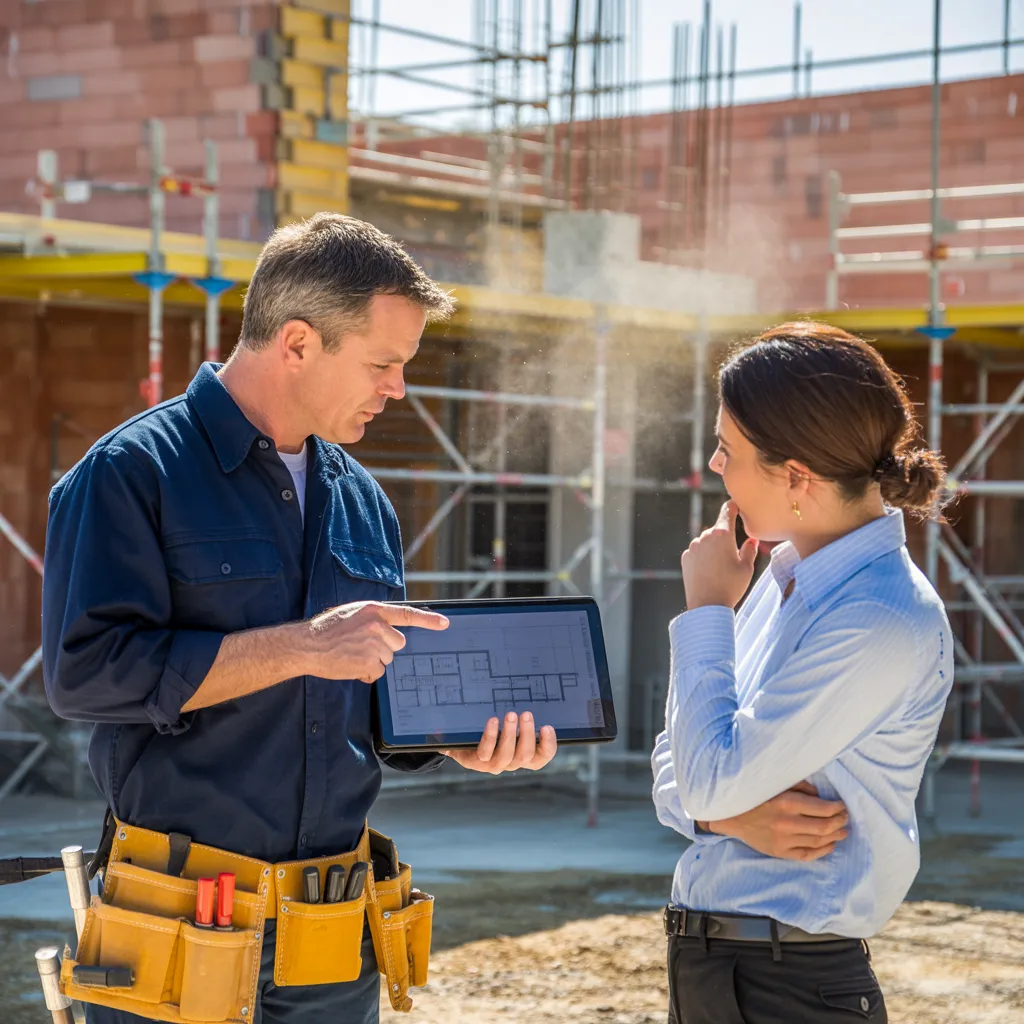
Even though many people may not know it, general contractors serve a crucial function in the favorable execution of construction projects. They additional article serve as the principal liaison for clients, handling all facets of the construction process from commencement to finish. General contractors coordinate the efforts of several subcontractors, ensuring that tasks are carried out proficiently and to the necessary standards. They are accountable for scheduling, budgeting, and obtaining necessary permits, which are critical for conformity with local regulations.
Along with logistical planning, general contractors also analyze risks and implement safety measures to protect workers on-site. Their expertise enables them to troubleshoot problems as they emerge, minimizing delays and cost overruns. By encouraging communication between all stakeholders—including clients, architects, and subcontractors—general contractors make certain that projects not only meet quality expectations but are also delivered on time. In the end, their leadership and organization are essential to transforming visions into tangible structures.
Critical Competencies for Effective General Contractors
Competent general contractors maintain a wide-ranging set of skills that are vital for the successful management of construction projects. Strong communication skills are vital, permitting them to successfully liaise with clients, subcontractors, and suppliers. This promotes clarity in project expectations and fosters collaboration among all parties involved. Additionally, robust problem-solving abilities are necessary, as contractors commonly experience unexpected challenges that need quick and effective resolutions.
Moreover, leadership skills are critical, as general contractors must direct and motivate their teams to attain project goals. A comprehensive understanding of construction techniques, building codes, and safety regulations guarantees compliance and quality control throughout the project. Time management skills are likewise essential, permitting contractors to prioritize tasks and manage resources effectively. Furthermore, financial literacy helps with budget management and cost estimation, ensuring projects remain viable. All in all, these skills collectively enhance the effectiveness and success of general contractors in the construction industry.
Handling Program Time Frames and Budgets
Handling project timelines and budgets is essential for the success of any construction project. Strategic time management strategies and budgeting best practices play an important role in making certain projects are completed on schedule and within financial constraints. These elements not only enhance efficiency but also contribute to overall project quality and stakeholder satisfaction.
Smart Time Management Approaches
Triumphant project execution depends on meticulous time management strategies that align timelines with budgets. General contractors focus on creating comprehensive project schedules that outline all stage, providing clarity on deadlines and responsibilities. Using project management tools, they oversee progress and adjust timelines as needed, fostering adaptability in the face of unforeseen challenges. Regular communication with stakeholders ensures everyone informed, enabling quick decision-making and decreasing delays. Establishing milestones confirms that tasks remain on track, while effective resource allocation helps in avoiding bottlenecks. Moreover, anticipating potential risks permits contractors to create contingency plans, safeguarding against disruptions. By implementing these proven time management strategies, general contractors improve productivity, guaranteeing that projects are completed on time and within budget constraints.
Budget Management Best Practices
Effective budgeting practices fulfill a vital role in the successful completion of construction projects, ensuring that expenses match financial projections. General contractors implement thorough budgeting techniques, such as creating thorough estimates that account for labor, materials, and unforeseen costs. They prioritize regular monitoring of expenses against the budget, allowing for timely adjustments if discrepancies emerge. Clear communication with stakeholders is vital, as it fosters transparency and promotes informed decision-making. Furthermore, establishing a contingency fund helps reduce risks associated with unexpected expenditures. By following these practices, general contractors not only enhance financial control but also encourage project efficiency, resulting in timely completion and client satisfaction. Effective budgeting thus serves as a cornerstone of successful project management in the construction industry.
Value of Communicating With Clients
Clear client communication is vital for the success of any construction project. By establishing clear expectations, promoting open dialogue, and giving regular progress updates, general contractors can foster trust and collaboration. This proactive approach not only improves client satisfaction but also minimizes misunderstandings and delays.
Establishing Precise Expectations
Effective communication is critical for securing project success in the construction industry. General contractors must develop clear expectations with clients from the start. This requires detailing project scope, timelines, budgets, and responsibilities in a meticulous approach. By doing so, contractors empower clients recognize what to expect and prevent potential misunderstandings.
In addition, clarity in expectations decreases the likelihood of disputes arising during the construction process. When both parties are aligned on objectives, it cultivates a collaborative environment where issues can be resolved promptly. Defining these expectations also empowers general contractors to manage resources optimally, making certain that projects remain on schedule and within budget. Finally, clear expectations form the cornerstone of a successful partnership between general contractors and clients.
Facilitating Frank Exchange
Clear communication between general contractors and clients serves as an vital element in fostering effective communication throughout the construction process. This honest dialogue fosters transparency, permitting both parties to communicate objectives, concerns, and expectations clearly. When clients feel confident sharing their thoughts, general contractors can better understand project goals and accommodate any changes. In addition, a collaborative atmosphere minimizes misunderstandings, cutting the likelihood of conflicts that could disrupt timelines and budgets. By prioritizing communication, general contractors build trust, which is vital for a successful partnership. Eventually, promoting open dialogue not only elevates the overall construction experience but also produces better project outcomes, ensuring that clients feel appreciated and heard throughout the journey.
Regular Progress Updates
In what ways can regular progress updates boost the client-contractor relationship? Regular communication is crucial in fostering trust and transparency. By providing clients with regular updates, contractors can keep them apprised of project milestones, challenges, and timelines. This proactive approach permits clients to feel involved and reassured about their investment. Moreover, it facilitates feedback, helping contractors to address any concerns promptly and adjust plans as needed. Regular updates also serve to manage expectations, reducing potential misunderstandings that could lead to dissatisfaction. In the end, this communication strategy strengthens the partnership, ensuring that both parties remain aligned on project goals and progress. Effective reporting not only enhances satisfaction but also lays the groundwork for future collaborations.
What You Should Know About Permits and Regulations
Grasping permits and regulations is crucial for the success of any construction project, as these legal requirements verify that the work conforms to local codes and safety standards. General contractors must learn about the specific permits necessary for diverse types of projects, whether residential or commercial. These permits often cover zoning, building, electrical, plumbing, and environmental considerations, ensuring that all aspects of the construction follow legal guidelines.
Additionally, regulations can differ significantly by location, making it vital for contractors to remain updated on local laws and codes. Failing to obtain necessary permits can result in project delays, fines, or even a complete shutdown of work. Communicating with local authorities early in the project can promote a smoother permitting process. In the end, knowing and controlling permits and regulations is a fundamental responsibility for general contractors, guaranteeing projects are completed both efficiently and within legal bounds, thereby preserving the investment of all stakeholders involved.
Overseeing Specialized Trades as a General Contractor
Successfully organizing skilled trades is a crucial responsibility for general contractors, as it directly affects the timeline and quality of a construction project. A general contractor must meticulously schedule and manage multiple specialized teams, including electricians, plumbers, carpenters, and masons, guaranteeing that each trade operates seamlessly within the overall construction timeline. Clear communication is essential; contractors must convey project updates, resolve conflicts, and provide clear instructions to maintain workflow continuity.
In addition, general contractors frequently serve as the main point of contact for customers, keeping them notified about progress and addressing any concerns that may occur. This coordination entails not only logistical planning but also understanding the particular requirements and constraints of each trade. By fostering a collaborative environment and anticipating likely challenges, general contractors can reduce delays and verify that the project meets its intended design and quality standards. Eventually, successful coordination results in timely project completion and satisfied customers.
How to Choose the Right General Contractor for Your Building Project
Choosing the right general contractor can greatly affect the outcome of a construction project. To get started, potential clients should examine the contractor's experience and expertise in similar projects. A well-established contractor with a robust portfolio is more likely to deliver excellent results. Additionally, reviewing references and reading online reviews can provide valuable feedback into the contractor's reliability and work ethic.
It's also vital to examine communication styles; a contractor who actively listens and responds promptly creates a collaborative environment. Clients should acquire detailed bids from multiple contractors to analyze costs and services effectively. Clarity in pricing and project timelines is vital.
In conclusion, ensure that the selected contractor is properly licensed and insured, shielding both parties from potential liabilities. By considering these aspects, clients can make an informed decision that corresponds to their project objectives, ultimately leading to a favorable construction experience.
Your Questions Answered
In What Ways Do General Contractors Tackle Unexpected Project Obstacles?
General contractors handle unexpected project challenges through resource allocation, proactive communication, and strategic problem-solving. They examine the situation, consult with stakeholders, and execute solutions to minimize delays and ensure project continuity and success.
What is the Common Payment Structure for General Contractors?
Typically, general contractors work with a payment structure that incorporates an initial deposit, progress payments linked to project milestones, and a final payment upon completion. This structure provides cash flow while harmonizing contractor and client interests.
Do General Contractors Also Offer Design Services?
General contractors usually concentrate on project management and construction instead of design services. However, some may present design-build alternatives, teaming up with architects or designers to streamline the process and supply integrated solutions for clients.
How Would General Contractors Guarantee Quality Control on Their Projects?
General contractors maintain quality control on projects through systematic inspections, adherence to building codes, engaging skilled subcontractors, and executing standardized procedures. They stress communication and feedback to tackle any issues swiftly and preserve project integrity.
What Kinds of Projects Do General Contractors Usually Specialize In?
General contractors commonly work with residential construction, commercial buildings, renovations, and infrastructure projects. Their expertise often includes coordinating schedules, budgets, and subcontracted workers, guaranteeing every project fulfills the mandatory standards and requirements for successful finishing.